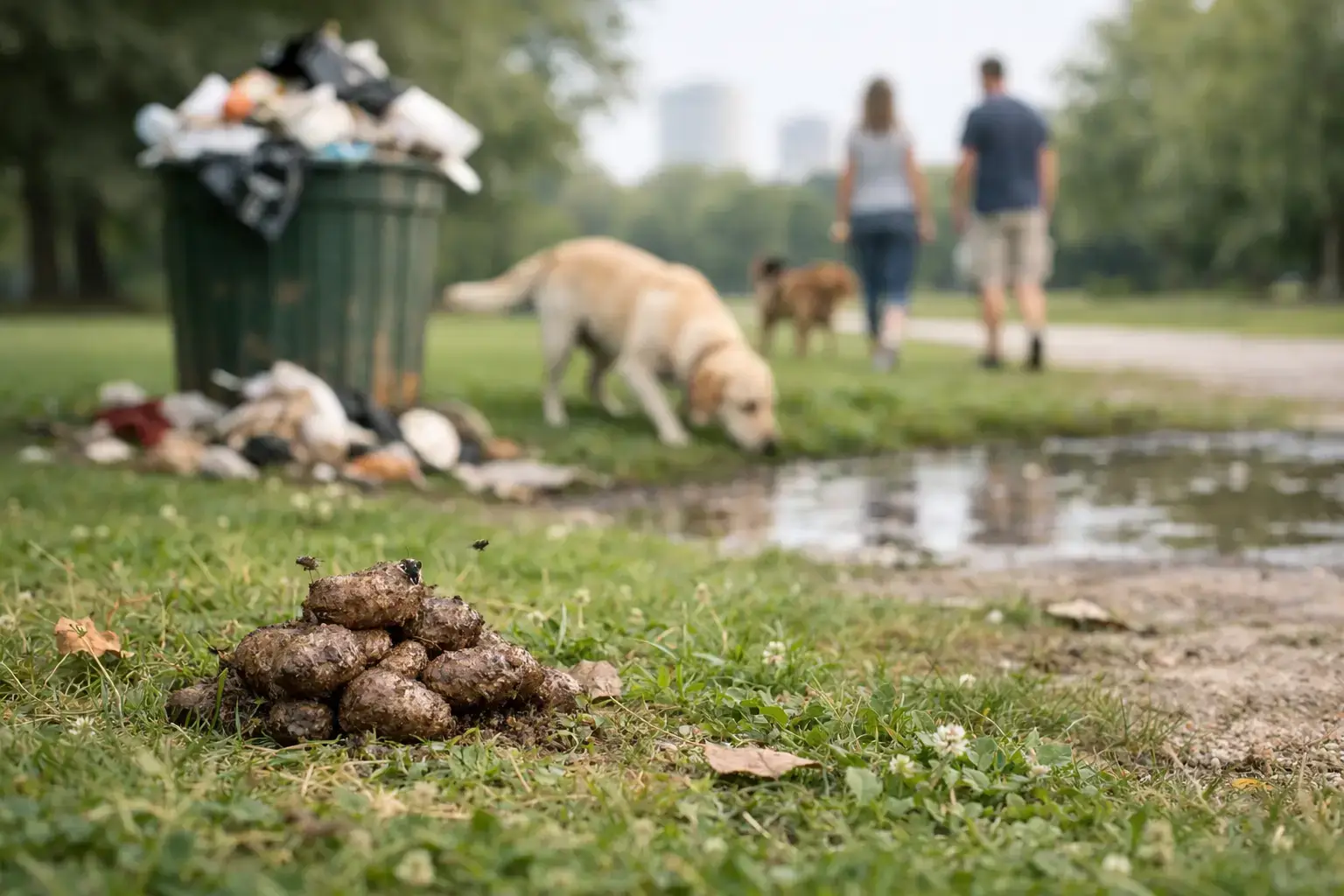
Step into the backyard after a few missed cleanups, and the problem shows up fast. If you have ever wondered what happens if dog poop is not picked up, the short answer is this: your yard gets less usable, less pleasant, and less safe for both people and pets. What starts as one or two piles can turn into lingering odor, dead grass, more mess tracked indoors, and a space nobody really wants to enjoy.
For busy families, multi-dog households, and property managers, that buildup can happen quicker than expected. A backyard should be a place where kids play, dogs run, and everyone can relax. Once waste is left sitting, that simple routine gets a lot harder.
What happens if dog poop is not picked up in your yard
The biggest misconception is that dog waste will just break down like fertilizer and disappear on its own. It does break down eventually, but not in a way that helps your lawn or makes the mess harmless. In the meantime, it sits on the surface, spreads bacteria and parasites, and creates an ongoing problem every time someone walks through the grass.
The longer it stays there, the more your yard changes. You start avoiding certain spots. Kids get told to stay away from parts of the lawn. Dogs step in old waste and carry it onto patios, decks, and floors. Instead of enjoying the yard, you manage around it.
That trade-off matters more than people think. A yard does not have to be huge for waste buildup to make it feel small.
It can damage your grass
One common surprise is lawn damage. Dog poop is not the same as a gentle compost pile. It is concentrated waste, and when it sits too long, it can burn patches of grass and leave uneven, unhealthy-looking spots behind.
This tends to be worse in smaller yards or with multiple dogs using the same areas over and over. During wet weather, the mess can smear into the lawn and make cleanup harder. During hot weather, it bakes into the ground and creates stubborn spots that are unpleasant to deal with later.
If you are trying to keep your property looking neat, skipped pickup works against that fast. Even a decent-looking lawn starts feeling neglected when waste is visible across it.
It creates odor that lingers
Dog waste does not stay contained to the pile itself. As it sits, smell spreads across the yard, especially on warm or humid days. You may notice it when opening a back door, grilling outside, or having people over.
This is where missed cleanup stops being just a chore and starts affecting daily life. A yard that smells bad gets used less. Family time moves indoors. Guests notice. Neighbors may notice too, especially in closer subdivisions or apartment-style outdoor spaces.
There is also a compounding effect. One pile smells. Several old piles mixed with fresh ones can make the whole yard feel off, even if the grass is cut and everything else looks tidy.
It increases health risks for pets and people
Another reason regular cleanup matters is exposure. Dog poop can carry harmful bacteria and parasites. When left in the yard, those risks do not stay neatly in one place. Rain can spread contamination, shoes can track it, and dogs can come into contact with it while sniffing or playing.
Puppies are especially vulnerable because they explore everything. Young kids are too, since they are more likely to touch the ground and then touch their face without thinking. Even healthy adult dogs can pick up parasites from contaminated areas, particularly if multiple dogs share the same yard.
This does not mean every missed pickup becomes a major health event. But the risk rises with time, frequency, and the amount of waste left behind. That is why regular removal is not just about appearance. It is about reducing avoidable exposure in a place your family uses often.
Rain does not solve the problem
A lot of homeowners hope the next storm will take care of it. It will not. Rain may flatten or spread dog waste, but that usually makes things worse, not better. Instead of one clear pile to remove, you get a soggy mess worked into the grass and soil.
That runoff can also move waste into nearby areas, especially if your yard slopes or drains toward walkways, landscaping, or shared spaces. On commercial or multi-unit properties, that can quickly become a bigger issue because more people and pets are moving through the area.
Winter creates its own version of the same problem. Snow covers the mess for a while, but it does not remove it. Once everything melts, the yard can be covered with months of buildup all at once. Spring cleanup is often when homeowners realize just how much has been left behind.
Your dog still notices it
Some pet owners assume dogs do not care if old poop stays in the yard. The truth is, many dogs become pickier about where they want to walk or play when waste piles up. Some avoid certain sections altogether. Others step in it repeatedly and bring the mess right back to the house.
For active dogs, a cleaner yard simply makes life easier. There is more room to move, fewer dirty paws, and less chance of rolling, sniffing, or running through something you would rather not deal with later.
This matters even more if you have more than one dog. The waste adds up quickly, and the yard can go from manageable to frustrating in just a few days.
It can become a neighborhood issue
Dog waste left too long does not always stay a private problem. In some neighborhoods, smell carries. In shared housing communities, common areas can become unpleasant fast if cleanup is inconsistent. For property managers and landlords, this can affect how residents feel about the space.
It also sends a message about upkeep. A clean outdoor area feels cared for. A waste-covered lawn feels neglected, even if the rest of the property is in good shape. That perception matters for curb appeal, tenant satisfaction, and simple day-to-day comfort.
There is a practical side too. The longer waste is ignored, the harder and more time-consuming cleanup becomes. What could have been a quick visit turns into a larger job.
Why regular pickup works better than occasional cleanup
Some people wait until the yard looks bad, then tackle everything at once. That can work for a while, but it is usually the least pleasant option. Old waste is harder to remove, more likely to break apart, and more likely to leave behind affected grass or odor.
Regular pickup keeps the problem small. It protects the usability of the yard, helps cut down on smell, and keeps the mess from building into a bigger weekend project. For many households, that consistency is the real benefit. You do not have to think about it, schedule around it, or dread catching up later.
There is also an affordability angle people sometimes miss. Keeping a yard maintained is often easier than repairing lawn damage, dealing with repeated indoor mess, or losing use of outdoor space you already pay to maintain.
When it matters most to stay consistent
The answer to what happens if dog poop is not picked up depends a little on your setup. One small dog in a large yard creates a different situation than three dogs in a fenced suburban lot. Weather matters too. So does how often the yard gets used.
Still, there are times when consistency matters more than ever. If you have children playing outside, more than one dog, frequent visitors, or a smaller yard, missed cleanup tends to show up faster. The same goes for properties where appearance matters, like rental homes, apartment communities, or shared green spaces.
That is why many homeowners choose recurring service instead of waiting until things get out of hand. A dependable schedule keeps the yard ready to use without adding one more chore to a packed week. For local families, that peace of mind is often the whole point.
Get Scooped MI sees this every day. People are not looking for anything fancy. They want a clean yard, less hassle, and one less unpleasant task on their list.
A clean yard gives you your space back. If the mess has been piling up, the best time to deal with it is before it starts running the show.