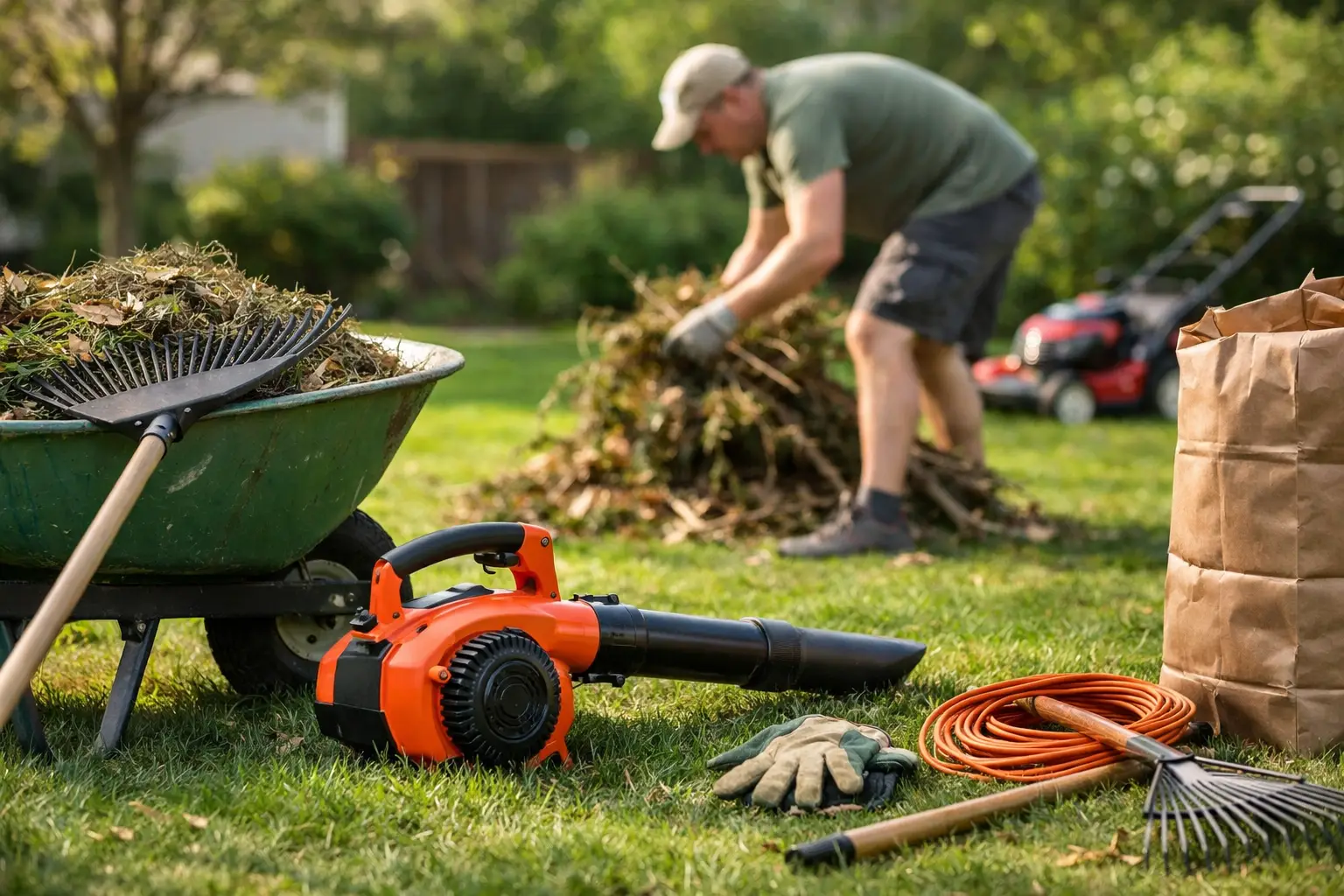
Spring in Michigan has a way of showing you everything your yard has been hiding. Snow melts, the grass wakes up, and suddenly every missed pile, soggy corner, and muddy path is impossible to ignore. If you’re wondering how to prepare yard for cleanup, the good news is that a little setup goes a long way toward making the job faster, easier, and less stressful.
For most dog owners, yard cleanup is not hard because it’s complicated. It’s hard because it’s unpleasant, easy to put off, and somehow always messier than expected. That is especially true after winter or after a stretch of rain, when waste gets buried under leaves, pressed into soft ground, or hidden along fence lines. Preparing the yard ahead of time helps you avoid wasted effort and makes sure nothing gets missed.
How to Prepare Yard for Cleanup Before You Start
The first thing to do is take a quick walk around the yard without tools in hand. Don’t start scooping yet. Just look. You’re checking for the kind of obstacles that slow cleanup down – toys left in the grass, fallen branches, lawn chairs, hoses, and anything else that blocks the usual dog paths.
This matters more than people think. A yard does not need to be spotless before cleanup, but easy access makes a big difference. If someone is trying to work around bikes, kid toys, and a half-collapsed patio umbrella, the job takes longer and hidden spots are easier to miss.
If your dog tends to favor certain areas, pay extra attention there. Many dogs return to the same corners of the yard, along the fence, near a shed, or beside a deck. Those hot spots are where buildup happens fastest, especially in homes with multiple dogs.
Clear the Areas That Matter Most
You do not need to deep-clean the whole property before a yard cleanup. That defeats the point. What helps is clearing a few key access points so the entire yard can be reached safely and quickly.
Start with gates. Make sure they open fully and are not blocked by planters, trash cans, or snowmelt debris. If the latch sticks, fix it before cleanup day if you can. Next, clear walking paths across the yard, especially if the ground is soft or muddy. A clean route to the back corners helps avoid extra tracking and keeps the work moving.
If you have a deck, trampoline, swing set, or play area, do a quick check underneath and around it. Waste often collects in those tucked-away spots because they are easy to overlook during regular pickup. The same goes for bushes and the perimeter of the fence.
Move Pet Toys and Water Bowls
Dog toys, chew bones, and outdoor bowls should be picked up before cleanup starts. That keeps them from getting dirty during the process and removes one more obstacle from the yard. It also makes it easier to tell the difference between what belongs there and what needs to be removed.
If your dog has a favorite outdoor blanket or bed, bring that in too. Anything fabric tends to pick up moisture and yard mess quickly.
Trim Back What You Can
Overgrown grass and low branches can hide a lot. You do not need to do full yard work first, but if the grass is especially tall or weeds have taken over a section of the yard, cleanup gets harder. A quick mow before a major cleanup can help, as long as the ground is dry enough to handle it.
That said, timing matters. If the waste is fresh and visible, mowing first can make the job messier. In that case, cleanup should happen before mowing. If the issue is older buildup hidden in spring growth, a basic trim may make those problem spots easier to find. It depends on the condition of the yard.
Make Sure Pets Are Secure
One of the simplest parts of how to prepare yard for cleanup is also one of the most important – keeping pets safely inside or in a separate area. Even friendly dogs can get curious, excited, or protective when someone enters their space. A secure pet makes the process smoother for everyone.
If your dog uses a doggy door, close it during the visit. If you have more than one dog, double-check that all pets are accounted for before the gate is opened. This is especially helpful for families with busy mornings, where someone may assume another person already brought the dog in.
Cats that roam the yard should be considered too. While most cleanup work focuses on dog waste, any loose pet in the work area creates distractions and can slow things down.
Check the Ground Conditions
Weather changes everything in outdoor cleanup. A dry yard is easier to work through than one that is muddy, frozen, or covered in wet leaves. You cannot control the forecast, but you can pay attention to ground conditions and plan around them.
After heavy rain, some areas may be too soft for easy pickup. After snowmelt, waste may be partially hidden in flattened grass or pooled water. If you know your yard has drainage issues, look for the sections that stay soggy longest and clear nearby clutter so those spots can still be reached.
Leaves are another common issue. A light layer is not a big problem, but thick wet leaf cover can hide piles completely. If you have large leaf buildup from fall or early spring storms, rake the worst sections first. You do not need every leaf gone. Just reduce the cover enough that cleanup can be done properly.
Know What Kind of Cleanup You Need
Not every yard cleanup is the same. Some yards just need a quick reset after a missed week. Others need a more serious once-over because winter buildup, a packed work schedule, or multiple dogs turned a manageable chore into a bigger project.
Be honest about the condition of the yard before you start. If the waste is spread out lightly, basic prep may be enough. If it has built up for weeks or months, expect the cleanup to take more time and require better access to every part of the yard.
This is where many homeowners realize they do not need to handle the mess themselves at all. For families juggling work, kids, and pets, getting help with a one-time cleanup or ongoing service often saves more time than expected. It also means the yard is ready to use again without giving up part of your weekend.
How to Prepare Yard for Cleanup if You Use a Service
If you’ve scheduled a professional visit, preparation should stay simple. You are not expected to do the hard part beforehand. The goal is just to make the yard accessible and safe.
Make sure any gate codes, special instructions, or dog-related notes are easy to share ahead of time. If there is a section of the yard your dog uses most, mention it. If there is a gate that drags or a muddy patch by the shed, say that too. Small details help avoid delays.
It also helps to park vehicles in a way that leaves clear access to the gate when possible. If your trash bins or yard waste containers are stored directly in front of the entrance, move them aside for the day. None of this takes long, but it makes the visit easier from the start.
For first-time cleanups, especially in spring, expectations matter. A yard that has been covered by snow for months may have more buildup than it seems from the patio. That is normal. A dependable local company like Get Scooped MI plans for that kind of seasonal reality, but access and communication still help the job go faster.
What Not to Worry About
A lot of homeowners overthink prep work. They assume they need to rake every leaf, hose off every walkway, or tidy the yard like company is coming over. You don’t.
You do not need to make the yard look perfect. You just need to remove the obvious barriers, secure pets, and make sure the space can be reached. Cleanup is about making the yard usable again, not staging it for photos.
If you have kids, muddy paw prints by the back door, or a few toys that get missed now and then, that is real life. The point is progress, not perfection.
A clean yard starts with one practical step: make it easy to access, easy to see, and easy to work through. Once that is done, the whole job feels a lot more manageable, and getting back to enjoying your outdoor space is a whole lot closer.