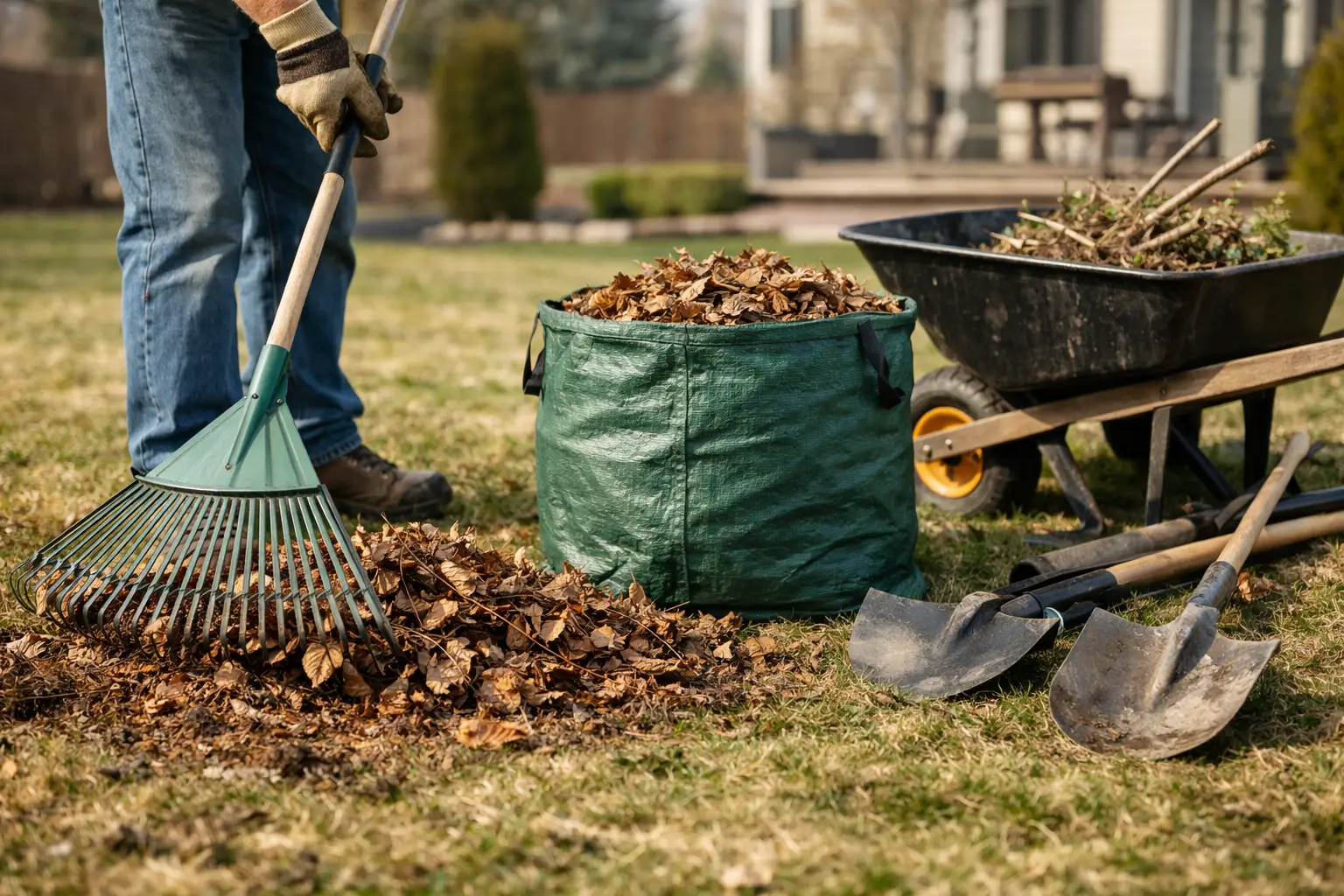
The first warm weekend after a Michigan winter always feels promising – until you look out at the yard. Branches are down, soggy leaves are stuck to the grass, and if you have dogs, winter left behind more than just mud. If you’re wondering how to clean yard after winter without losing your whole Saturday, the key is to do it in the right order.
Spring yard cleanup is not just about making things look better. It helps you get your outdoor space back sooner, makes the lawn easier to maintain, and keeps your family and pets from tracking a mess back inside. For dog owners especially, the biggest mistake is starting with raking before dealing with everything winter uncovered.
How to clean yard after winter without making extra work
A good cleanup starts with a quick walk around the yard. Before you touch a rake or drag out yard bags, check for soft spots, fallen limbs, fence damage, and anything hidden under leaves or melting snow. That simple lap around the property helps you avoid turning a basic cleanup into a muddy, frustrating chore.
It also gives you a chance to spot the areas that need the most attention. Some yards just need a light refresh. Others, especially homes with one or more dogs, need a real reset after months of snow cover and limited pickup.
Start with pet waste first
If you have dogs, this comes before everything else. Pet waste that sat through winter can be spread across the yard, partly hidden by dead grass, leaves, or thawing snow. If you start raking first, you risk breaking it up and spreading the mess into areas that were easier to clean before.
A spring pet waste cleanup is usually the least enjoyable part of yard work, but it makes every step after that much easier. Pick up visible waste throughout the lawn, along fence lines, around patios, and near spots where snow piled up. Dogs often use the same paths and corners all winter, so those areas tend to need the most attention.
For busy families, multi-dog households, or anyone dealing with a large backyard, this is often the point where calling in help makes the most sense. A one-time spring cleanup can save time, cut down on the worst part of the job, and get the yard usable again much faster.
Clear branches, trash, and winter debris
Once the yard is free of pet waste, move on to the larger debris. Pick up sticks, fallen branches, pinecones, and any trash that blew in over the winter. This step is more important than it seems because trying to rake over larger debris can damage the lawn and slow you down.
If your area had heavy snow or wind, check around shrubs, downspouts, play areas, and the edges of the house where debris tends to collect. It is also a good time to look at patios, walkways, and dog run areas that may have built-up leaves and grime.
Rake lightly, not aggressively
A lot of homeowners do too much here. After winter, grass is often weak, damp, and just starting to wake up. Hard raking can pull up healthy grass along with dead material, especially if the ground is still soft.
Use a leaf rake or flexible lawn rake and work gently through matted leaves and dead grass. Your goal is to loosen buildup and help airflow reach the lawn, not strip the yard down to bare soil. If the grass still feels soggy underfoot, wait a day or two before going too far.
This is one of those cases where timing matters. Cleaning too early can leave ruts and compact the soil. Waiting forever is not great either, because heavy leaf cover can smother new growth. The sweet spot is when the yard is no longer saturated but still early enough to clear off winter buildup before mowing season takes off.
Watch for snow mold and damaged patches
As you rake, you may notice gray or pinkish matted spots in the lawn. That can be snow mold, which is fairly common after long snow cover. In many cases, gently raking the area to improve airflow is enough to help it recover.
You may also find thin patches caused by dog traffic, pooled water, or salt near sidewalks and driveways. These areas do not always need a big fix right away. Sometimes a little drying time, light cleanup, and spring growth are enough to bring them back. If a spot stays bare after a few weeks, then it may be worth reseeding.
Deal with muddy areas before they become bigger problems
Many spring yards have one or two places that stay wet long after the rest of the lawn dries out. This happens near gates, under downspouts, along shaded fences, and anywhere dogs run the same route every day.
Try to limit traffic in those areas for a bit if you can. Repeated foot traffic and dog traffic on wet ground can turn a small muddy patch into a bigger repair job. If the problem is tied to drainage, redirecting water from a downspout or adding a simple border can help. If it is mostly from wear and tear, the area may need time to dry before you can seed or patch it.
For pet owners, it helps to be realistic. Some parts of the yard take more abuse than others. A spotless lawn and an active dog do not always go together perfectly, so focus first on making the space clean, safe, and usable.
Clean hard surfaces too
When people think about how to clean yard after winter, they often focus only on grass. But patios, decks, sidewalks, and fenced dog areas take a beating too. Sweep off leaves, hose down dirt buildup, and clear corners where wet debris collected.
This step makes a big difference in how the whole property feels. Even if the lawn needs more time to green up, clean hard surfaces make the yard look more put together right away. They also help keep less mess from getting tracked into the house.
If you have outdoor furniture, give it a quick wipe-down before setting it back out. No need to overdo it. The goal is simply to make the space feel ready to use again.
Check fences and gates
Winter can shift fence posts, loosen latches, and create small escape points you did not notice when everything was buried in snow. If you have dogs, this is worth checking before spring playtime starts.
Walk the perimeter and look for gaps, leaning sections, or hardware that needs tightening. It is a small step, but it can prevent a much bigger headache later.
Get the lawn ready for regular maintenance
After the cleanup is done, hold off on mowing until the grass is actually ready. Cutting too soon, especially when the lawn is still wet, can stress it and leave clumps behind. When it is time for the first mow, keep the blade sharp and avoid cutting too short.
This is also the point where many homeowners decide whether they want to handle everything themselves all season or get help with the messier parts. Weekly and bi-weekly pet waste service is one of those things that sounds like a luxury until you realize how much time it saves and how much more usable the yard stays.
For some families, spring cleanup is enough. For others, especially with multiple dogs, regular service is what keeps the yard from getting out of hand again. It really depends on your schedule, your property size, and how much of this job you never want to do twice.
When to call for help
There is nothing wrong with doing your own spring cleanup. But there is also nothing wrong with deciding your time is better spent elsewhere. If the yard has heavy winter buildup, a large amount of pet waste, or you are already behind on outdoor chores, getting help can be the fastest way to reset the space.
That is especially true for households with kids, multiple pets, or limited free time. A clean yard means fewer unpleasant surprises, less mess on shoes, and more reason to actually use the space once the weather turns nice.
Companies like Get Scooped MI handle spring pet waste cleanup for exactly this reason. It takes one of the most frustrating parts of yard cleanup off your list so you can focus on everything else that comes with spring.
A clean yard after winter does not have to mean a full weekend of backbreaking work. Start with the mess that matters most, take the cleanup in stages, and give yourself permission to get help where it saves the most time. Once the yard is cleared, even a chilly spring afternoon feels a lot more inviting.