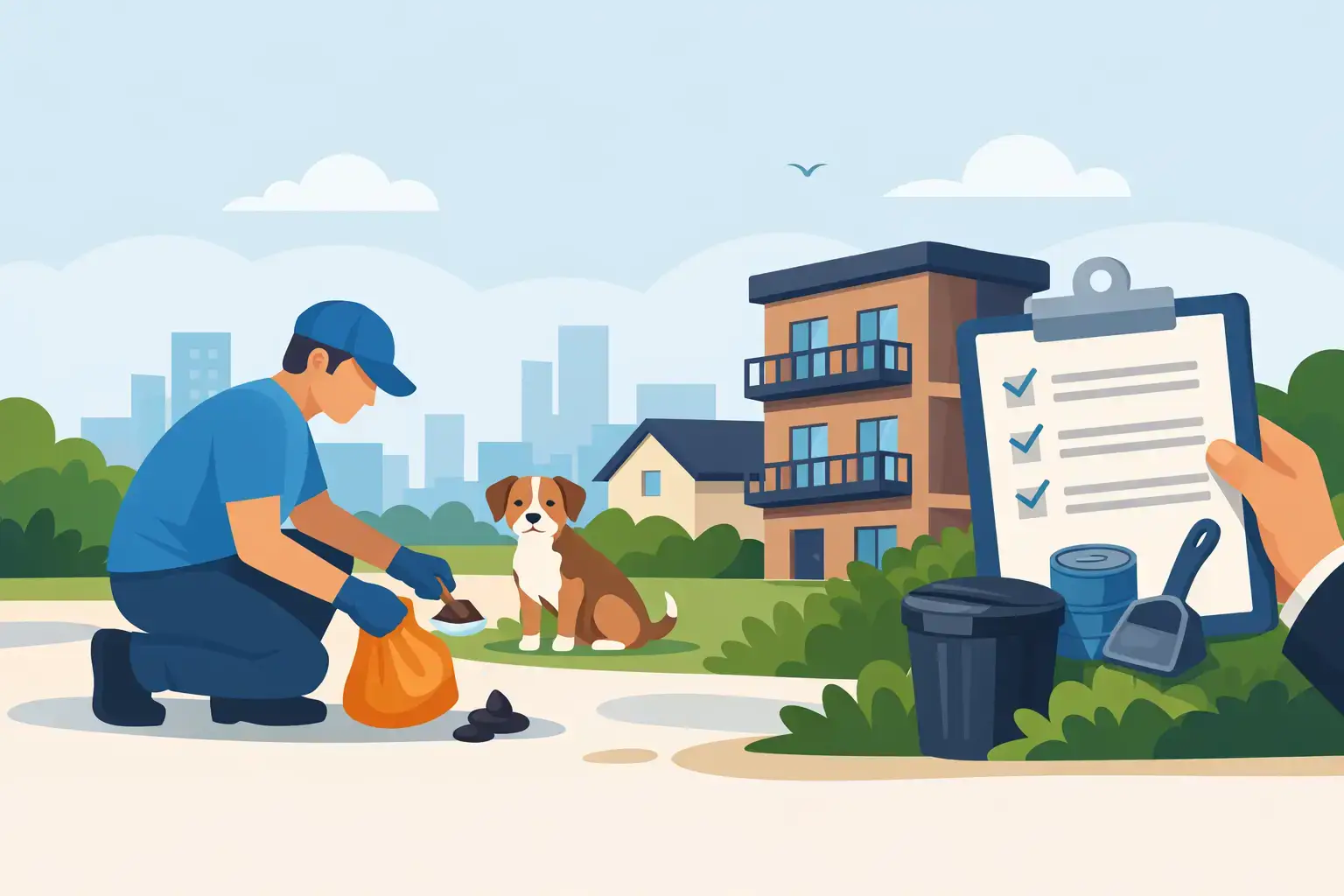
A tenant moves out, the lawn finally becomes visible again, and there it is – weeks or even months of dog waste scattered across the property. For landlords, dog waste cleanup for landlords is not a small cosmetic issue. It affects smell, curb appeal, tenant satisfaction, maintenance time, and in some cases, whether outdoor areas feel usable at all.
If you manage single-family rentals, duplexes, or multi-unit properties, this is one of those problems that seems minor until it starts costing you time and creating complaints. The good news is that it is also one of the easiest issues to get under control with a clear plan and consistent service.
Why dog waste becomes a landlord problem fast
On paper, pet waste sounds like a tenant responsibility. In real life, it rarely stays that simple. When waste is left behind in a shared yard, near sidewalks, around entryways, or in common green space, it stops being one resident’s problem and starts affecting everyone.
The first issue is obvious – odor. Even a small amount can make a property feel neglected. The second is appearance. Prospective tenants notice outdoor mess right away, and current tenants do too. A yard with visible waste sends the message that management is either absent or always reacting instead of staying ahead of issues.
There is also the maintenance side. Landscaping crews do not want to mow around pet waste, and understandably so. Waste can get spread by lawn equipment, tracked onto sidewalks, or carried into indoor spaces. What should have been a simple mowing visit can turn into a bigger cleanup problem.
Then there is the health and safety angle. Dog waste can attract pests, create unsanitary conditions, and make shared outdoor areas less comfortable for kids, adults, and pets. It may not be the only thing tenants care about, but once it becomes noticeable, it tends to move up the complaint list quickly.
Dog waste cleanup for landlords is really about property standards
The most effective landlords treat pet waste the same way they treat trash overflow, snow removal, or common-area upkeep. It is part of maintaining a clean, livable property.
That does not mean every landlord needs to absorb the full cost in every situation. It does mean the property needs a system. If there is no clear process, waste builds up, frustration grows, and the cleanup gets more expensive and more unpleasant later.
For single-family rentals, the responsibility may stay primarily with the tenant, but landlords still benefit from setting expectations early and checking the yard during turnover or routine exterior inspections. For duplexes and apartment-style properties, the situation usually calls for more active oversight. Shared spaces almost always need more structure because people assume someone else will handle it.
The real cost of ignoring it
Landlords often think of dog waste as a nuisance rather than an operating issue. That is understandable, but the hidden costs add up fast.
A neglected yard can delay turnover prep. Before showings, mowing, or repair work, someone has to deal with the mess. If a maintenance team handles it, that is labor spent on cleanup instead of repairs or readying the unit. If the mess is severe, it can affect how quickly the property is market-ready.
There is also the cost to tenant retention. Residents who do pick up after their dogs do not want to live next to people who do not. When common areas feel dirty, responsible tenants often blame management for letting standards slip.
And while every property is different, complaints about pet waste tend to spread beyond the original issue. Once tenants start seeing one unmanaged problem, they often become less confident that other concerns will be handled promptly either.
What a good cleanup plan looks like
A good plan is not complicated. It just needs to be clear, consistent, and realistic for the type of property you manage.
For properties with one yard and one tenant, the best approach often starts in the lease. Pet policies should be direct about pickup expectations, yard condition, and move-out standards. But lease language alone is not enough if there is no follow-through. A quick exterior check during inspections or turnover can prevent a larger cleanup later.
For multi-unit properties, shared responsibility usually fails. If three or four residents use the same outdoor area, the property is better off with a defined cleanup schedule. That might mean regular service for common areas, plus posted reminders and pet waste stations where they make sense.
The right frequency depends on the property. A lightly used area with only one or two dogs may be manageable with less frequent service. A busier property with multiple pets usually needs weekly attention to stay clean and odor-controlled. There is no one-size-fits-all answer, but waiting until it looks bad is usually the most expensive option.
When professional service makes sense
There is a point where handling cleanup in-house stops being efficient. For many landlords, that point comes sooner than expected.
If maintenance staff are already stretched thin, adding dog waste removal to their list is rarely the best use of time. It is repetitive, unpleasant, and easy to postpone. Once postponed, it piles up. Professional service creates a routine that keeps the issue from becoming a bigger property headache.
This matters even more during seasonal transitions. In Michigan, winter can hide months of buildup under snow. By spring, landlords are often dealing with a yard that needs a full reset before mowing crews, tenants, or prospects can really use the space. A one-time or seasonal cleanup can make a big difference right away.
Recurring service is often the better long-term answer for properties with regular pet activity. It helps keep the grounds consistently usable, reduces odor, and gives management one less thing to chase.
How to handle tenant responsibility without constant conflict
Landlords do not want to babysit residents, and residents do not want to feel policed. The best way to avoid conflict is to make expectations simple and easy to understand.
Start with clear lease language and pet addendums. Be specific about pickup requirements, designated pet areas if you have them, and what happens if waste becomes an ongoing issue. Vague wording invites arguments later.
After that, think in terms of systems instead of warnings. If a property allows dogs, provide the basics that support compliance. That could mean a visible disposal station, clear signage, or routine cleanup in common spaces. Some tenants will still ignore the rules, but a property with no structure makes noncompliance more likely.
It also helps to separate private-yard expectations from shared-area standards. A tenant may be responsible for their fenced backyard, but the landlord may still choose to coordinate cleanup at turnover or as part of a move-out charge if conditions are poor. In common areas, direct management is usually the cleaner solution.
Dog waste cleanup for landlords during turnover season
Turnover is where this issue becomes impossible to ignore. What seemed manageable while a tenant was in place can suddenly become a barrier to getting the property ready.
Before photos, showings, landscaping, or exterior repairs, the yard needs to be usable. If waste has been left for weeks, a quick pass is not always enough. It may take a deeper cleanup to restore the space, especially after rain, snowmelt, or long grass.
That is why smart landlords build yard cleanup into turnover planning rather than treating it as a last-minute surprise. It keeps the prep timeline cleaner and helps the next tenant walk into a property that feels cared for from the start.
For local landlords and property managers, working with a dependable team matters. A company like Get Scooped MI can help take that recurring mess off your plate with scheduled service or one-time cleanups when a property needs a reset.
A cleaner property is easier to manage
Dog-friendly rentals can be a strong advantage, but only when the outdoor space stays clean enough for people to actually enjoy it. Dog waste does not just hurt appearance. It affects how the property feels to current tenants, future tenants, vendors, and ownership alike.
The fix is usually straightforward. Set the standard, choose a realistic cleanup plan, and stay consistent. When the mess is handled before it becomes a bigger issue, the whole property runs a little smoother – and that is one less problem following you into next week.