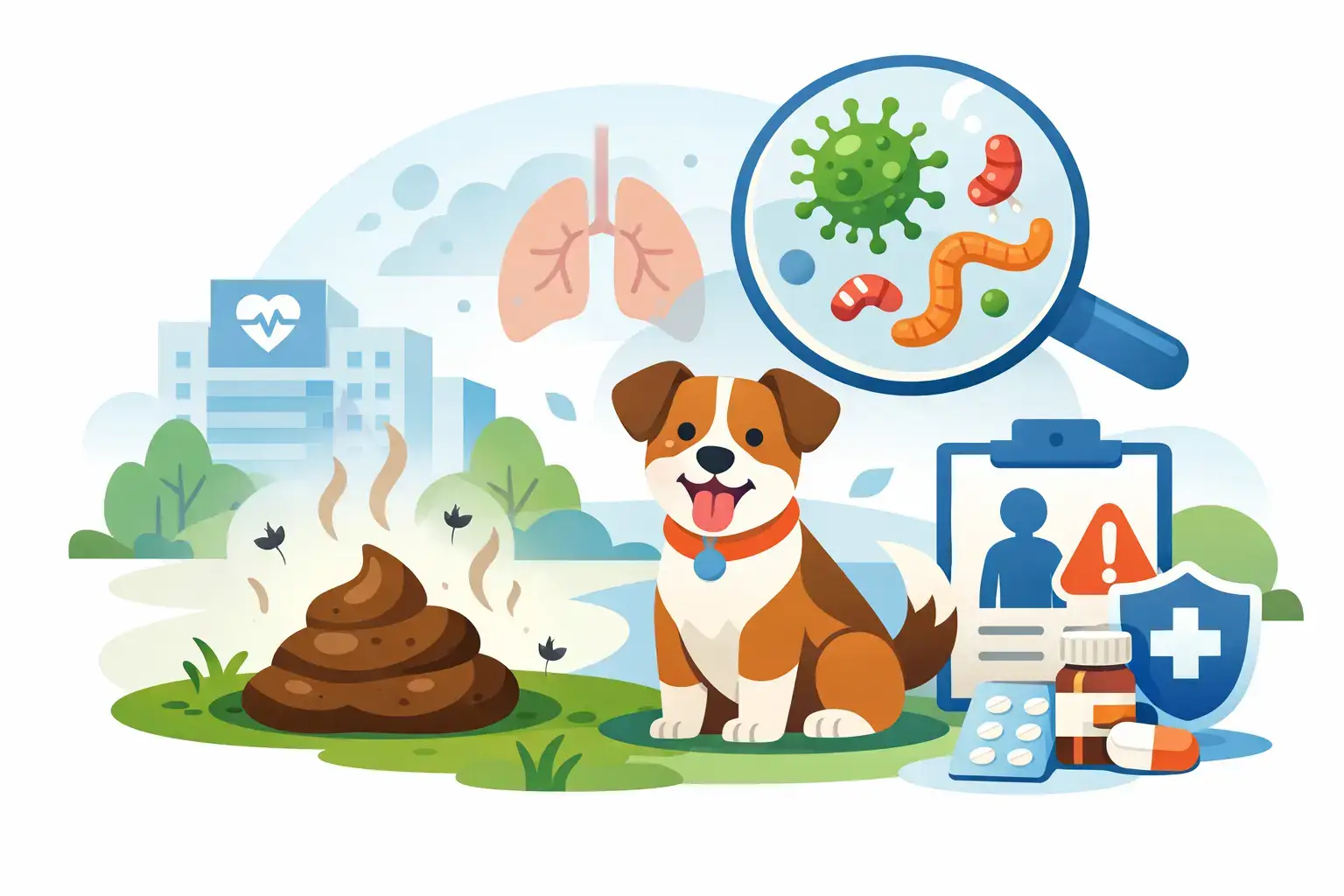
Step into the backyard with bare feet, kids tossing a ball, and the dog racing laps around the fence line, and the question gets real fast: is dog poop a health hazard? Yes, it can be. It is not just an eyesore or a smelly part of pet ownership. Left in the yard, dog waste can carry bacteria, parasites, and other contaminants that make outdoor spaces less safe for people and pets.
A lot of homeowners assume one or two piles are no big deal, especially if rain is coming or the grass is tall enough to hide it. That is where trouble starts. Dog poop does not simply disappear into the lawn like fertilizer. In fact, it does the opposite. It can pollute the ground, create odors, attract pests, and turn a yard that should feel clean and family-friendly into a mess no one wants to use.
Is Dog Poop a Health Hazard for Families?
For most families, the biggest concern is simple: exposure. Kids play low to the ground. Dogs sniff everything. Shoes track through the yard and back into the house. Once waste sits outside, it creates more chances for germs to spread through contact with soil, grass, paws, and hard surfaces.
Dog feces can contain harmful organisms such as E. coli, salmonella, campylobacter, and parasites including roundworms and hookworms. Not every pile contains every risk, and a healthy dog with regular vet care may be less likely to spread certain issues, but less likely does not mean risk-free. Even waste from dogs that look perfectly healthy can contain organisms you do not want in your yard.
That matters even more in homes with young children, older adults, or anyone with a weaker immune system. These groups are generally more vulnerable to illness from contaminated surfaces and soil. If your yard is where your family relaxes, grills, plays, or gardens, staying on top of pet waste is not just about appearance. It is about keeping the space usable and safer.
What Makes Dog Waste More Dangerous Than People Think?
One reason this problem gets underestimated is that dog poop looks temporary. People assume sun, rain, or mowing will take care of it. They do not. Waste breaks down slowly, and during that time it can spread contamination across more of the yard.
Rain can wash fecal matter into low spots, drains, and puddles. A mower can smear it across the lawn. Shoes can carry it onto patios, porches, and flooring inside the house. If you have more than one dog, or if cleanup slips for a couple of weeks, the problem grows quickly.
There is also the smell factor, which is not just unpleasant. Strong pet waste odor usually means bacteria are building up and the yard is not being maintained often enough. In smaller yards or high-use pet areas, that buildup can happen faster than people expect.
Health Risks for Dogs and Other Pets
People are not the only ones at risk. Dogs can reinfect themselves or pick up parasites from contaminated areas, especially if waste is left behind regularly. Puppies are particularly vulnerable because they explore with their noses and mouths and have less developed immune systems.
If one dog in the yard has an intestinal parasite, delayed cleanup can increase the chance of spread to other pets. That is one reason prompt waste removal matters in multi-dog homes, apartment pet areas, and shared outdoor spaces. The cleaner the area stays, the lower the chance that pets keep coming into contact with contaminated material.
This is also why routine cleanup tends to work better than occasional big cleanups. A one-time yard reset helps, especially after winter or a busy stretch, but regular service does more to reduce ongoing exposure.
Is Dog Poop a Health Hazard for Your Lawn Too?
It surprises a lot of homeowners, but dog poop is bad for grass. People sometimes confuse it with manure and assume it helps the lawn. It does not. Dog waste is highly concentrated and can burn grass, leave dead patches, and create uneven, unhealthy-looking areas.
Beyond the visible lawn damage, waste can also affect soil quality. When pet waste piles up, it adds bacteria and excess nutrients in a way that is not balanced or beneficial. The result is usually a yard that smells worse, looks worse, and feels less inviting.
If you have put time and money into your lawn, landscaping, or outdoor living space, letting waste sit is a quick way to undo that effort. A clean yard is not just nicer to look at. It is easier to maintain and easier to enjoy.
Pests, Flies, and Other Problems That Follow the Mess
Dog waste attracts unwelcome visitors. Flies are the obvious one, but they are not the only issue. Waste can also draw in other pests depending on the season, the property, and how much buildup is present.
Once pests show up, the problem stops being only about the backyard. Flies do not stay put. Odors drift. Shared spaces become less pleasant for neighbors, guests, tenants, or customers. For commercial properties and multi-unit communities, that can turn into complaints fast.
This is one of those problems that is easier to prevent than fix. Keeping pet waste removed on a steady schedule helps cut down on odor and reduces what is attracting pests in the first place.
How Often Should Dog Poop Be Picked Up?
For most households, at least once a week is a smart baseline. If you have multiple dogs, a smaller yard, or kids outside every day, more frequent cleanup may make sense. In warm weather, smells and pests can ramp up quickly, so waiting too long usually makes the yard harder to manage.
There is some room for judgment here. A large yard with one dog may not feel overwhelming after a few days. A compact yard with three dogs can feel out of hand almost immediately. The right schedule depends on how many dogs use the space, how often the yard gets used, and how much mess your household is willing to tolerate.
The key is consistency. Letting waste build up for weeks and then doing a major cleanup is far less effective than staying ahead of it.
What About Winter Buildup?
Michigan winters can hide a lot. Snow cover makes it easy to ignore waste until the thaw hits and suddenly the whole yard comes back into view. That spring melt often brings strong odor, soggy ground, and a cleanup job much bigger than expected.
Winter buildup is not harmless just because it is frozen for a while. Once temperatures rise, all that accumulated waste becomes an immediate sanitation and usability problem. Spring cleanups help restore the yard, but keeping up with waste through colder months, when possible, usually makes life much easier.
For busy families, this is often where professional help earns its keep. A dependable cleanup schedule means one less chore hanging over your weekend and one less mess waiting for you when the snow melts.
The Practical Side of a Cleaner Yard
A lot of dog owners already know pet waste is gross. What they are really asking is whether it is serious enough to treat as a regular maintenance issue. In most cases, yes. If your yard is part play space, part pet area, and part place to relax, keeping it clean has real day-to-day value.
It means fewer smells near the patio. Fewer surprises underfoot. Less tracking mess into the house. Less worry when kids are outside. And less chance that your dog is circling back to old waste in the grass.
That is why so many homeowners stop thinking of poop scooping as a small chore and start treating it like any other routine home service. If mowing, trash pickup, and snow removal help keep a property usable, pet waste removal belongs in the same conversation.
For local families and property managers, a service like Get Scooped MI can take that job off the list without contracts or hassle. The real benefit is not just convenience. It is having a yard that feels cleaner, smells better, and is ready to use.
Dog ownership comes with plenty of good stuff. The mess does not have to be the part that controls your yard. Stay ahead of it, and the whole space works better for everyone.