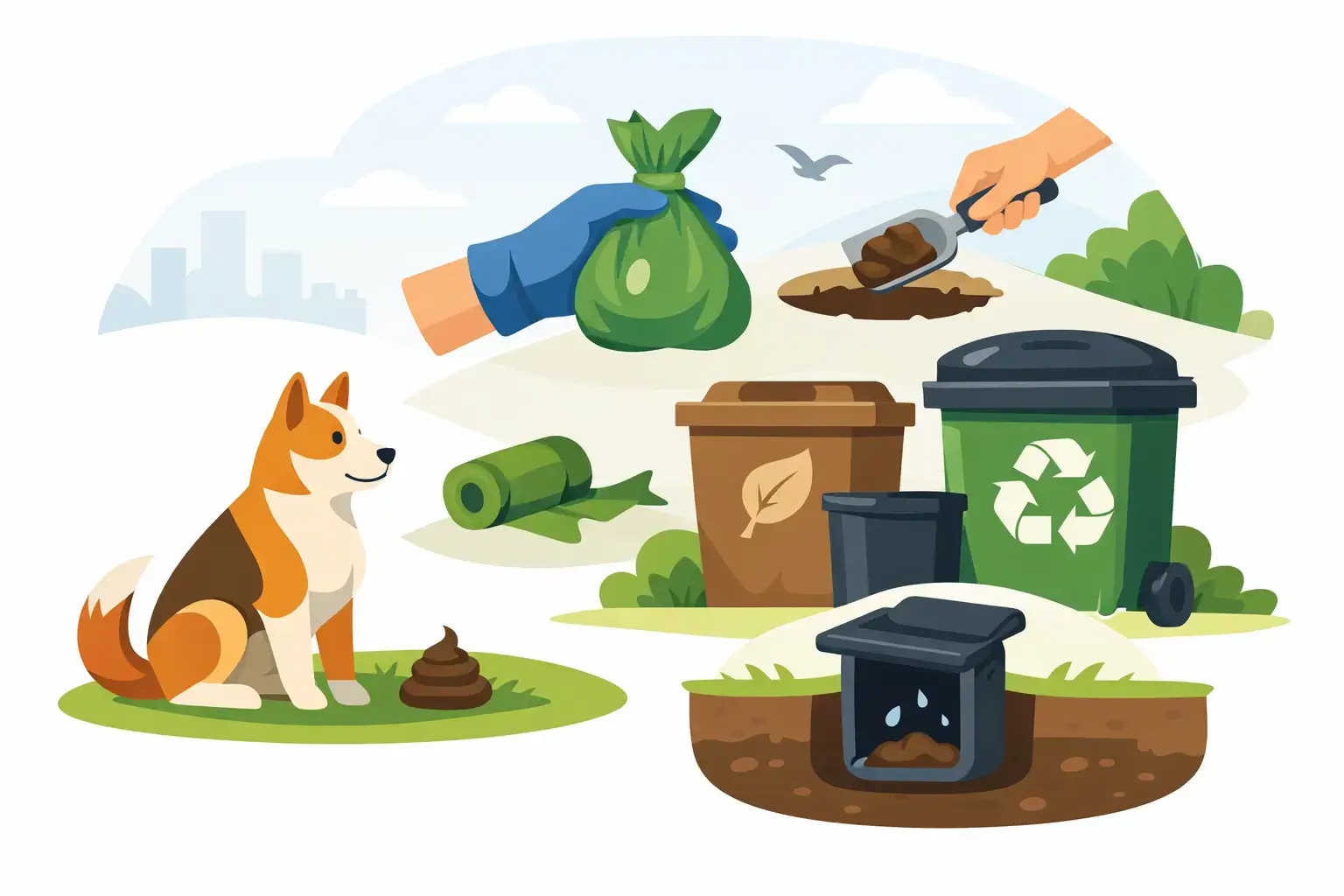
Step into the backyard after a long Michigan winter, and it becomes obvious fast – dog waste does not just disappear on its own. If you have one dog, a growing family, or a property with shared outdoor space, figuring out the best way to dispose of dog poop matters more than most people want to admit. It affects how usable your yard feels, how much time you lose every week, and how pleasant it is for everyone spending time outside.
For most homeowners, the best answer is simple: pick it up promptly, bag it securely, and place it in the trash according to your local rules. That is the most practical option for day-to-day cleanup because it is quick, consistent, and easy to manage. But that does not mean it is the only option. Depending on your household, your schedule, and how many dogs you have, the right approach can look a little different.
The best way to dispose of dog poop for most homes
If you want the short version, the best way to dispose of dog poop is regular pickup and trash disposal. Scoop the waste as soon as possible or stay on a dependable weekly schedule, seal it in a waste bag, and put it in a designated trash container.
Why is this the best fit for most people? Because it is reliable. You do not need special equipment, you do not need to guess whether a backyard system is working, and you are not letting piles build up until the job becomes overwhelming. For busy families, this matters. A simple routine is usually the one that actually gets followed.
It also works well for homes with multiple dogs. The more dogs you have, the faster a yard gets messy. Waiting too long turns a quick chore into a frustrating one, especially after rain, snowmelt, or a week of heavy backyard use.
Why leaving it in the yard is a bad plan
A lot of people assume dog waste will break down like fertilizer. It does break down eventually, but not in a way that makes your yard better in the meantime. It sits where kids play, where dogs run, and where guests walk through the grass. It also becomes much harder to clean once it has been stepped on, frozen over, or buried under leaves and snow.
The other problem is momentum. Once a few piles are left behind, it gets easier to ignore the next few. Then spring hits, and suddenly the whole yard needs attention at once. That is why consistent pickup beats occasional big cleanups every time.
Is flushing dog poop a good idea?
Some people ask whether flushing is better than bagging and trashing. In certain cases, it can work, but it depends on your plumbing, your local wastewater rules, and whether you are flushing only the waste and not the bag. Most dog waste bags are not meant to be flushed, even if the packaging sounds convenient.
For the average homeowner, flushing is usually more trouble than it is worth. It adds an extra step, creates room for mistakes, and is not practical when you are dealing with repeated cleanup from multiple dogs. A bag-and-trash routine is easier to stick with and easier to manage over time.
What about composting dog poop?
This is where people often start looking for a greener option. On paper, composting sounds appealing. In reality, dog waste is not the same as composting leaves, grass clippings, or kitchen scraps. It requires a separate system, careful handling, and a real understanding of how that waste is being processed.
For most households, home composting dog poop is not the simplest or safest route. It is definitely not something to toss into your regular garden compost. If someone wants to explore a pet-waste-specific system, they should first make sure it is allowed where they live and that they are prepared to maintain it correctly.
That is the trade-off with composting. It may sound efficient, but it is not low effort. If your main goal is keeping the yard clean without adding another project to your to-do list, regular pickup and disposal is still the better option.
The biggest factor is not the method – it is the schedule
People often focus on where dog poop should go, but the bigger issue is how long it stays on the ground before anyone deals with it. Even the best disposal method falls apart if cleanup only happens once in a while.
A daily or every-other-day routine is great for households that can keep up with it. Weekly service or a weekly personal cleanup schedule also works well for many homes. Bi-weekly can be enough in some situations, but if you have several dogs or a smaller yard, that can still feel too far apart.
This is where a lot of busy homeowners get stuck. They know what to do. They just do not want to spend part of every weekend doing it. That is completely fair. The best system is the one that keeps the yard usable without adding stress.
The best way to dispose of dog poop in winter
Michigan winters change the conversation a bit. When snow covers the yard, it is easy to let cleanup slide. Then the thaw comes, and everything shows up at once. That is why the best way to dispose of dog poop in winter is still regular pickup, even if conditions are less convenient.
If you can stay on schedule through the colder months, spring cleanup becomes much more manageable. If you do fall behind, a one-time cleanup can help reset the yard so you are not starting the season with a mess underfoot.
Winter is also when consistency saves the most time. Frozen waste is not fun to deal with, but neither is discovering months of buildup the first warm weekend of the year.
For apartment communities and shared properties, consistency matters even more
For commercial spaces, HOA areas, apartment grounds, and other shared properties, disposal is not just about convenience. It is about keeping common spaces pleasant and usable for everyone. When pet waste is left behind in shared areas, complaints start quickly.
In those settings, the best approach is usually a set service schedule with clear responsibility. If everyone assumes someone else will handle it, nobody does. Regular removal keeps the property looking cared for and makes outdoor spaces better for residents, visitors, and pets alike.
This is also one of those situations where trying to save a little time on the front end can create a bigger headache later. A dependable cleanup plan keeps things simple.
DIY cleanup versus hiring help
There is nothing wrong with handling dog waste yourself if you have the time and do not mind the job. For some households, a quick routine works fine. If you are already outside often and your dog count is low, DIY may be enough.
But if cleanup keeps getting pushed off, or if your yard is harder to keep up with than you expected, hiring help can be the better answer. That is especially true for families juggling work, kids, and multiple pets. It is also a smart move for anyone dealing with a larger property or catching up after months of buildup.
A professional service does not change the basic disposal method. It changes who has to do the unpleasant part. That is why many homeowners see it less as a luxury and more as a practical time-saver. Get Scooped MI is built around exactly that idea – let us handle the mess so you can enjoy the yard.
A few mistakes to avoid
The most common mistake is waiting too long. The second is assuming one big cleanup every now and then will be easier than a steady routine. It almost never is.
Another mistake is experimenting with disposal methods that sound easier but create more work. If a system is complicated, messy, or hard to maintain, most people will stop using it. Simple usually wins.
And if you use a yard service or have landscapers coming through, do not assume they will handle pet waste unless that is clearly part of the job. It usually is not.
What makes the most sense for your home
If you want the most practical answer, here it is: the best way to dispose of dog poop is the method you can keep up with every single week. For most homes, that means scooping it promptly, bagging it, and putting it in the trash. If that task keeps getting pushed off, bringing in regular help is often the easiest fix.
A clean yard is one of those small things that makes daily life better right away. You notice it when the kids go outside, when guests come over, and when your dog has room to run without turning the lawn into an obstacle course. If the mess is the part nobody in the house wants to deal with, that is a pretty good sign it is time to stop fighting the chore and choose the option that keeps life easier.